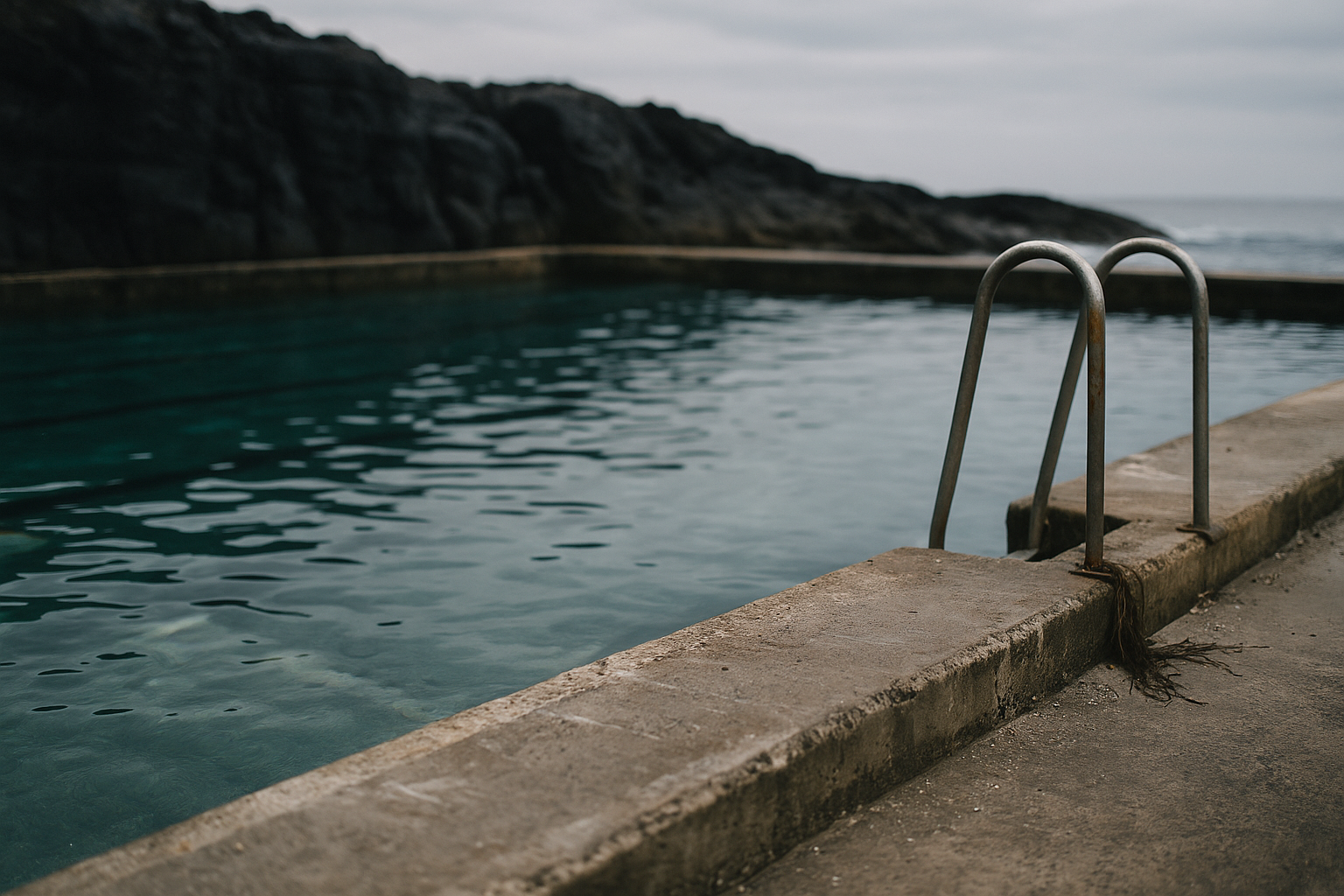
Explore the world of swimming
Outline of the article:
– The science and health benefits of swimming
– Technique fundamentals: strokes, breathing, and body position
– Training smarter: workouts, progression, and recovery
– Safety, gear, and access in pools and open water
– Lifelong pathways and a practical conclusion
Introduction
Swimming is both exercise and craft: a rhythmic conversation with buoyancy, breath, and direction. It supports heart health, strengthens the whole body, and welcomes diverse ages and abilities. Unlike many land sports, water’s support reduces joint stress while still allowing serious cardiovascular work. For people seeking a sustainable way to move more, manage stress, cross-train, or build stamina for events, swimming offers an adaptable path. The following sections combine science-backed insights, field-tested techniques, and safety guidance so you can enjoy the water with confidence and purpose.
The Science and Health Benefits of Swimming
Water changes the rules of movement. At chest-to-neck depth, buoyancy can reduce effective body weight by 70–90%, easing load on hips, knees, and spine. Meanwhile, water density is roughly 800 times that of air, so every stroke meets uniform resistance. This unusual pairing—low impact with meaningful resistance—explains why swimming helps people build aerobic capacity, muscular endurance, and mobility without the pounding common in land-based routines. For adults aiming to meet global activity guidelines of 150–300 minutes of moderate exercise weekly, lap sessions or water-based intervals can fit neatly into a balanced plan.
Cardiovascular effects are measurable. Hydrostatic pressure gently compresses the limbs and torso, aiding venous return and reducing heart rate at a given workload compared with land exercise. Many recreational swimmers report training heart rates 5–15 beats per minute lower than when running at a similar perceived effort. Caloric expenditure varies with mass, stroke, and pace, but a 70 kg swimmer might expend roughly 400–700 kcal per hour at moderate intensity. Over time, consistent practice can improve stroke volume, breathing efficiency, and body composition, while the cooling environment allows longer efforts with lower thermal strain on hot days.
Compared with running and cycling, swimming offers distinct advantages and trade-offs:
– Impact: minimal joint loading makes it friendlier during injury rehab phases.
– Technique demand: greater stroke skill is needed to translate effort into speed.
– Equipment dependency: access to a pool or safe open water is required, which can be a barrier in some regions.
– Whole-body engagement: upper body and trunk contribute more than in many endurance sports, promoting balanced strength.
Beyond physiology, there is the head-clearing calm of immersion. Controlled breathing and rhythmic movement can help reduce perceived stress, and many swimmers describe sessions as moving meditation. While no activity suits everyone, the combination of low impact, full-body engagement, and modifiable intensity makes swimming a reliable option for improving health over the long arc of life.
Technique Fundamentals: Strokes, Breathing, and Body Position
Technique converts effort into distance. Regardless of stroke, three pillars matter: streamline, timing, and relaxed breathing. Streamline reduces drag: think long spine, neutral head, and narrow kick. Timing coordinates the pull, breath, and kick so propulsion adds rather than cancels. Relaxed breathing prevents tension, which otherwise sinks the hips and shortens strokes. Small changes here yield big returns because drag rises dramatically with poor alignment.
Freestyle fundamentals: keep the head still with eyes looking slightly forward and down; reach forward with a high elbow, then anchor the forearm and hand to press water straight back. Rotate the body, not just the shoulders, about 30–40 degrees from side to side. Breathe by rolling with the body rather than lifting the head; one goggle in the water is a handy cue. A compact flutter kick from the hips—knees soft, toes pointed—stabilizes the body and contributes rhythm even if propulsion comes mostly from the arms. Common pitfalls include crossing the midline on entry, scissor kicks during breathing, and holding the breath between inhalations.
Backstroke shares freestyle’s rotation and high-elbow catch, but you’ll keep the face up and hips high. Avoid over-bending at the knees; kick from the hips with steady cadence. Breaststroke is about timing: glide after the kick, then pull; lift to breathe without craning the neck; keep knees behind the hips to protect the lower back. Butterfly requires rhythm more than brute force: a chest press sets the body undulation, the kick is a whip from the hips, and a patient catch anchors the stroke. Shorter repeats and drills are effective because fatigue magnifies technique errors.
Breathing strategy ties it all together:
– Exhale continuously underwater; sip air when you rotate or lift.
– Choose a pattern (for example, every 2–3 strokes in freestyle) that supports relaxation and symmetry.
– Use counting to tame panic in open water: exhale for three beats, inhale for one, and repeat.
– Practice short “breath control” sets sparingly to build comfort, not to starve yourself of oxygen.
To refine mechanics, incorporate drills such as fingertip drag for a relaxed recovery, catch-up for alignment, single-arm for balance, and sculling for feel. Pair drills with short, quality swims so correct patterns persist when you add speed. Film analysis and occasional coaching, if accessible, can accelerate learning by translating sensation into targeted adjustments.
Training Smarter: Workouts, Progression, and Recovery
A thoughtful plan prevents plateaus and burnout. Begin by setting a realistic weekly frequency—two to three sessions build momentum for beginners; three to five support steady progress for intermediates. Each week can mix aerobic base, technique focus, and controlled intensity. Warm up with easy swimming and drills, then add main sets tailored to your goals, and cool down to consolidate skills and promote recovery. Rate of perceived exertion (RPE) or simple pace checks across repeats offer practical feedback without specialized tools.
Sample week for an improving swimmer:
– Session 1 (Technique + Aerobic): 10 minutes easy, 10 minutes drills, then 6×200 easy-moderate with 20–30 seconds rest, focusing on long strokes; cool down 5–10 minutes.
– Session 2 (Threshold feel): 12 minutes warm-up, then 3×8 minutes steady at a conversational but purposeful effort with 2 minutes easy between; finish with 8×50 brisk but controlled; cool down.
– Session 3 (Speed play): 10 minutes easy, then 16×50 alternating fast/relaxed, 20 seconds rest; sprinkle 4×25 sprints; cool down and stretch gently.
Progression hinges on one variable at a time: add a repeat, lengthen a set, or tighten rest by a few seconds. Every three to four weeks, include a lighter week to absorb gains. If you track pace, a simple time trial (for example, 400 m and 200 m) every six to eight weeks can yield a “critical swim speed” estimate to guide threshold sets. When pace stalls while effort soars, that’s a cue to back off, sleep more, and revisit technique.
Recovery is training too. Cool-down laps and easy kick loosen stiff areas; gentle mobility for shoulders, thoracic spine, and ankles expands your range for effective catch and kick. Hydrate even in cool water—immersion diuresis can mask fluid loss. If you cross-train, schedule high-impact runs or heavy lifts away from hard swim days to protect shoulders and maintain freshness. Nutrition remains simple: aim for balanced meals with sufficient protein and carbohydrates matched to workload, and time a snack within an hour of intense sessions if you plan to swim again soon.
For event preparation—whether a charity mile or a long shoreline swim—gradually extend your longest session, sprinkle in race-pace intervals, and practice feeding or sighting as needed. Specificity matters: train in conditions you expect to face, from water temperature to swell, so the big day feels familiar.
Safety, Gear, and Access: From Pool Lanes to Open Water
Safety starts before you push off the wall. In pools, read posted rules, shower quickly to keep the water clean, and share lanes courteously. Agree on a direction, leave space at turns, and overtake at the wall when possible. If you’re learning, ask for a slower lane to reduce pressure. Ear care, timely hydration, and warm layers for the deck reduce common nuisances like chills or irritation. If you have a medical condition, consult a clinician about any precautions; water’s cooling and pressure can influence how your body responds to effort and medication.
Open water requires extra preparation. Choose supervised locations when possible, swim with a capable partner, and use a bright tow float for visibility. Study the venue: wind, tides, currents, and entry points. Rip currents flow seaward; if caught, stay calm, float to preserve energy, and swim parallel to shore before angling back. Cold shock can be startling below about 15°C; enter gradually, control breathing for the first minute, and limit exposure until you build tolerance. In warm conditions, sun protection and hydration are as important as pace control to avoid overheating on long swims.
Simple gear enhances comfort and safety without excess:
– Goggles that seal comfortably; keep spares in your bag.
– A cap for hair management and heat conservation; bright colors aid visibility outdoors.
– Fins for technique drills and gentle ankle loading, not for masking poor form.
– A pull buoy to isolate arm mechanics; paddles used sparingly build feel and strength.
– A mesh bag to carry wet items and promote drying.
Access and affordability matter. Community pools, school facilities, and public beaches can lower costs; off-peak lap hours often feel quieter. For those with mobility differences, ramps, lifts, and warm-water pools expand options; many programs offer instruction tailored to different needs and ages. Hygiene is a shared responsibility: quick showers, flip-flops on deck, and rinsing gear at home keep spaces cleaner and extend equipment life. With thoughtful choices, swimming remains welcoming and sustainable for a wide range of participants.
Conclusion: A Lifelong Swim Map for Every Type of Swimmer
Whether you’re easing into activity, cross-training between seasons, or chasing personal milestones, swimming can scale to meet you where you are. Begin with consistency, not perfection: two or three weekly sessions create a rhythm that unlocks skill and stamina. Layer in technique cues—long spine, patient catch, relaxed breath—so water works with you instead of against you. As comfort grows, organize weeks with a mix of easy aerobic laps, focused drills, and measured intensity. Your yardstick is progress over months, not a single stopwatch readout.
If you prefer structured goals, pick a milestone: swimming a continuous 500 m, completing a social bay loop, or entering a local meet for experience. Work backward to build supporting habits: one extra repeat per week, one new drill to sharpen feel, and one recovery practice you’ll actually do, such as a short walk after sessions or lights-out on time. Keep safety practical, not fearful: choose appropriate venues, respect conditions, and swim with others when possible. For community and accountability, consider group sessions or informal meetups; shared momentum makes early alarms and chilly mornings easier to embrace.
Most of all, remember the quiet rewards that don’t fit into metrics. The swish of bubbles as you streamline. The soft lift of buoyancy after a long day. The way focused breathing quiets a crowded mind. These moments are not extras; they are part of why people return to lanes, lakes, and coves year after year. If you let curiosity lead—testing a new drill, exploring a safer route, or learning a different stroke—you’ll find that the pool becomes a classroom and the shoreline a map. From first splash to seasoned routine, swimming offers a durable, adaptable practice that can travel with you through every season of life.